Buying a hot tub in Winnipeg is a bit like buying a winter jacket in July. You might feel like the only practical person in the city, but come January, everyone wants to be your friend. When the wind stings and the snowbanks get that stubborn blue tint, a well-built spa turns a long winter into something you can look forward to. The trick is knowing which brands are built for Manitoba’s climate, electrical quirks, and water chemistry, and which ones look shiny on a showroom floor but turn grumpy once the thermometer dips below minus twenty.
I’ve installed, tested, and serviced hot tubs across the city, from riverside yards where the wind never quits to tight back lanes where craning a five-seater over a garage felt like an Olympic sport. Over the years, a few brands have earned their sticker price, not because they’re perfect, but because they hit the durability, efficiency, and service sweet spot that Winnipeg homeowners need. If you’ve found yourself searching “Hot tubs for sale” or “Hot tubs store near me” and now have twelve tabs open, read on. Here are the top brands I recommend, why they’re worth it, and what to watch for before you swipe the card.
Why Winnipeg makes hot tubs play by different rules
Cold snaps expose every shortcut. Thin cabinet insulation becomes a space heater for the outdoors. Weak covers soak up snow like a sponge, then sag into the water. Cheap plastic diverter valves seize, and pumps that ran fine in October start to complain by February. Westminster or Wolseley, the physics is the same: heat wants to leave, and electricity wants to make that expensive.
Two things matter more here than in milder climates. First, energy efficiency isn’t just a green checkbox, it’s the difference between a spa you use nightly and a spa you resent every time the hydro bill arrives. I’ve seen efficient tubs hold temperature with the heater barely breaking a sweat, while bargain models cycle constantly, chewing through power. Second, reliability and dealer support save your sanity. If something fails in January, you cannot wait three weeks for a part from a warehouse in another country. Brands with local parts access and techs who pick up the phone are worth a premium.
The short list: brands that earn their keep in Winnipeg
There are many good manufacturers, but only a handful have consistently performed in prairie winters and held up over five to ten years without expensive drama. Here are the standouts I see delivering value in our market, with the trade-offs you should budget for.
Jacuzzi: the familiar name that still earns it
Jacuzzi has done a solid job balancing comfort, therapy, and efficiency. Their better lines use full-foam insulation, heavy covers with decent skirt length, and pumps that don’t scream when you ask for all seats on high. The jetting patterns in the J‑300 and J‑400 series are dialed in for actual hydrotherapy, not just froth.
What I like: shell quality is high, and the acrylic resists the chalky look you see when a surface starts to age. Control systems are straightforward, and most Winnipeg dealers stock common parts. I’ve seen J‑365 and J‑375 models run into their ninth winter with only minor consumables replaced, like a heater relay or a diverter cap.
Trade-offs: the price climbs quickly once you add steps, cover lifters, and upgraded lighting. Base filtration is good, but you still need to be vigilant with water chemistry if your source water is hard. Winnipeg’s mineral content, especially iron, can stain filters and shorten their life if you ignore it.
Who it fits: families who want a proven therapy tub and won’t mind paying a bit more for name-brand stability and straightforward service.
Hot Spring: quiet efficiency in cold weather
Hot Spring’s upper-tier lines, particularly the Highlife collection, are energy misers with excellent insulation and circulation. Their Moto-Massage jets look gimmicky until you sit against one after shoveling for an hour. The circulation pump runs quietly and sips power, which helps keep the water ready without costing a fortune.
What I like: Hot Spring’s tight cabinet construction and fitting quality cut heat loss. The No-Fault heater has a decent track record in our winters, and their FreshWater salt system, when maintained correctly, keeps water soft and steady. With salt, you’ll get fewer chemical swings, which matters in a city where daytime use can be sporadic for months.
Trade-offs: upfront cost is high, and salt cartridges are not cheap. If you’re lax about water balance, salt can accelerate corrosion on any brand, so the system rewards discipline. Some folks also prefer traditional jet feel over their unique patterns.
Who it fits: homeowners who prioritize energy efficiency, quiet operation, and low-maintenance water, and who plan to keep the tub for a decade or more.
Arctic Spas: purpose-built for deep cold
The name isn’t marketing fluff. Arctic Spas designs around cold, with perimeter insulation that lets the equipment sit in a “warm” environment created by the shell’s waste heat. In severe cold snaps, that design helps if a heater trips, because the pump compartment stays warmer than a fully foamed tub. Their covers are robust, and the cabinet structure handles snow load without complaining.
What I like: the way these tubs keep going at minus thirty when others start to struggle. The frames feel overbuilt, and the cabinet panels don’t rattle when the wind hits. If your spa sits in an exposed spot, Arctic is a strong candidate.
Trade-offs: perimeter insulation is fantastic for service access, but only if the install is sealed correctly. Gaps in vapor barriers or loose panels will waste energy. Some models have aggressive jetting that casual soak users find too strong. Also, make sure your dealer has the exact parts for your control pack in stock, not “available soon.”
Who it fits: people in open yards or rural properties with high wind exposure, or anyone who values serviceability in extreme conditions.
Sundance: comfort-first design with smart filtration
Sundance shares some DNA with Jacuzzi, and it shows in the seats, which cradle you at the right depth. Their Fluidix jets are durable and don’t rely on bearings, which means fewer clogging issues after a winter of heavy use. Filtration is excellent, and ozone setups are tuned well.
What I like: a solid blend of therapy and long-term reliability. Covers are properly insulated, and their control panels are intuitive, even for first-time spa owners. The 880 series has held up well in Winnipeg backyards, with heaters and pumps that feel appropriately sized.
Trade-offs: pricing sits near the top in our market, and parts exclusivity can create delays when the local dealer is out of stock. You pay for the polish.
Who it fits: households that plan to use the tub almost daily, appreciate cushioned ergonomics, and want long gaps between service calls.
Bullfrog: the modular jetpacks that actually matter
Bullfrog’s signature feature is the JetPak system, which lets you swap out full backs of jets to customize each seat. In practice, this saves headaches when a specific jet style doesn’t agree with a user’s back or shoulders. Their shells are sturdy, and plumbing runs are shorter than average, which reduces potential leak points.
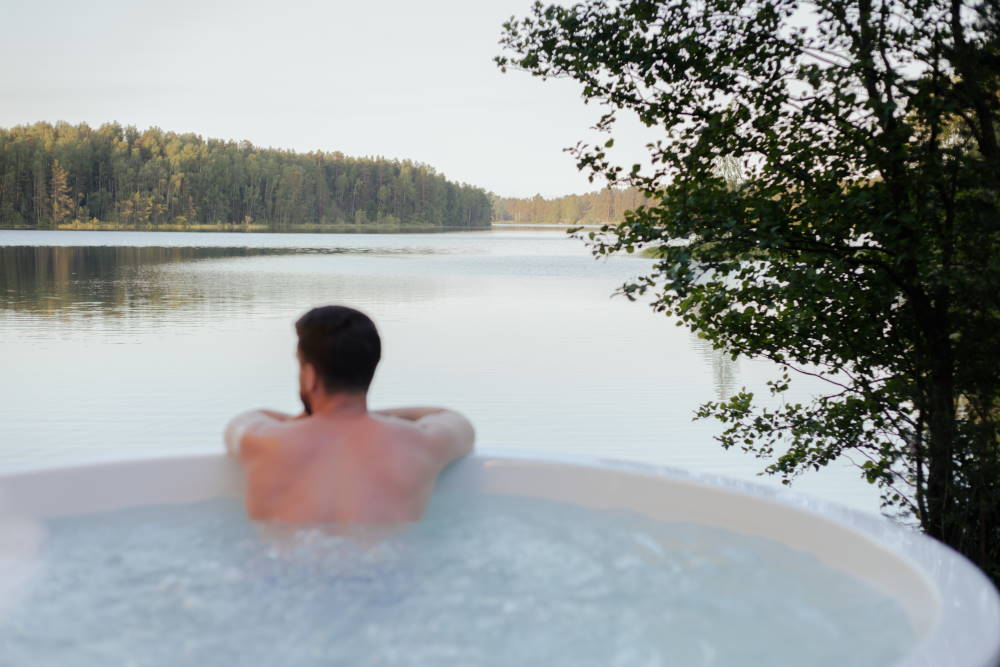
What I like: flexibility. If your partner prefers a gentle roll and you want deep-tissue intensity, you can configure both. The tubs are well insulated, and service access is reasonable. In our climate, shorter plumbing runs and fewer fittings translate to fewer winter leaks.
Trade-offs: get honest about which JetPaks you’ll actually use. Upgrades add up fast. Some budget Bullfrog models skip the thicker covers and edge sealing that the premium lines include, so verify you’re getting winter-worthy components.
Who it fits: couples or families with different therapy preferences, and buyers who love the idea of changing the feel of the tub over time.
Marquis: honest build quality, excellent therapy
Marquis doesn’t always have the flashiest showroom presence, but their gear is tough. Therapy zones are thoughtfully arranged, and the build quality on frames, shells, and covers feels intentionally overdone. They balance energy efficiency with water movement, which matters when multiple users jump in on a cold night.
What I like: reliability. I’ve seen Marquis pumps log heavy hours without crying uncle. The footwells are roomy, drains are intelligently placed, and water care options integrate well with Winnipeg’s typical municipal water profile.
Trade-offs: fewer bells and whistles if you’re into lighting spectacle or massive touchscreen panels. Dealer availability can be patchy, so choose a seller with proven local support and parts on hand.
Who it fits: practical buyers who want rock-solid performance and strong therapy without paying for gimmicks.
Features that actually matter in Winnipeg, and what to ignore
Manufacturers throw a lot at you. Some features improve your daily experience, others exist to move units. Over the years, a few patterns have emerged.
Insulation and cover: Full-foam or properly executed perimeter insulation is non-negotiable. Stick your hand around the equipment bay when the tub is running on a cold day. If warm air leaks out, your money is leaking out. The cover should be at least 4 to 2 inches tapered foam with good vapor barriers and a proper skirt. If a cover feels light and floppy, it will soak, sag, and cost you in heat loss.
Pumps and plumbing: More horsepower isn’t always better. Efficient pumps matched to sensible jet counts do a better job than oversized motors blasting into restrictive plumbing. Ask for pump amperage and efficiency, not just marketing horsepower. Simpler plumbing with fewer long runs and elbows is your friend in a deep freeze.
Controls and winter modes: Look for freeze protection that cycles pumps and heaters intelligently, not just based on a single sensor. If you travel in winter, a spa with robust low-temp safeguards is cheap insurance.
Water care: Ozone and UV help, especially when guests show up with lotions and hair products. Salt systems can work beautifully in Winnipeg if you maintain alkalinity and calcium levels, but neglect will punish you. If you’d rather keep it simple, a good mineral stick and consistent chlorine or bromine routine will keep water clean without fuss.
Cabinet and base: Composite cabinets that resist warping and frost damage beat wood every time here. The base should be solid and insulated. If the tub sits on pavers, make sure they’re level and properly supported, or the frame can twist as frost heave settles.
Lighting and sound: Fun but not essential. If your budget is tight, skip the premium sound system and buy a Bluetooth speaker you can replace in three years without tears.
What energy efficiency really looks like on a Hydro bill
Winnipeg Hydro rates aren’t the worst, but a leaky spa can quietly cost you a small vacation each year. Efficient tubs with strong insulation and a good cover typically add 25 to 45 dollars per month on average across a year. In a brutal January, expect 50 to 70 dollars for a well-insulated family-sized tub. If you see numbers pushing 100 dollars consistently, something is off: poor insulation, a saturated cover, clogged filters forcing longer pump cycles, or a heater stuck fighting an endless heat loss battle.
Ask the dealer for third-party energy usage test results or data logs if available, not brochure estimates. Brands like Hot Spring and Arctic often have credible data for cold climates. If the salesperson waves it off, ask to see an operational tub in the showroom and check the cover fit and cabinet seals yourself.
Buying from a real Winnipeg dealer vs. rolling the dice online
Every year, I meet at least one homeowner who bought a spa online at a price that looked too good to be true. It ships mid November, the forklift operator has one rough moment, and suddenly there’s a leak under a jet you can’t quite reach. The vendor offers a part credit and a YouTube link. Meanwhile, it is minus twenty.
Local dealers earn their margin by stocking parts, answering service calls, and advocating with manufacturers when a warranty claim gets sticky. Before you sign, ask which parts they keep on the shelf in winter: heater assemblies, topside controls, pump seals, and diverters are the big ones. Clarify the service timelines, especially during cold snaps when calls spike. A good Winnipeg Swim and Spas seller will have a triage system to prioritize freeze-risk issues.
If you’re searching “Hot tubs store near me,” check reviews, then visit in person. Listen to how the techs talk about installations in older neighborhoods with tight electrical panels. If they ask good questions about your yard and power, you’ve found a team that treats your install as more than a delivery.
Real-world examples from Winnipeg backyards
One homeowner in Linden Woods bought a midline Jacuzzi seven years ago. They run it at 102 degrees all winter, with two adults soaking most evenings. Their January hydro bump averages 55 dollars, and the only unplanned service was a heater relay board replacement in year five, completed in under 48 hours because the part was in stock.
A River Heights couple with a Hot Spring Highlife and a salt system keeps meticulous water balance. They replace salt cartridges twice a year and filters annually. Their spa stays remarkably clean, even after big family weekends. The cover is original, still firm, because they keep it brushed off after snowfalls and use a cover cap to shield from ice buildup.
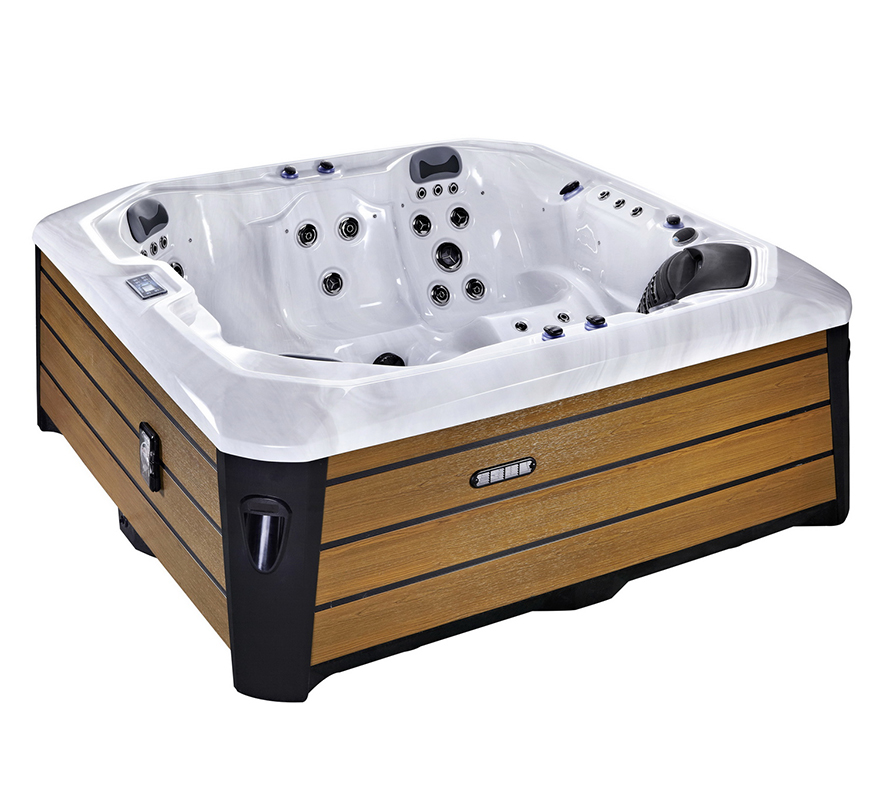
In North Kildonan, an Arctic Spa sits in a windy corner lot. The owner had it professionally skirt-sealed during install, and the perimeter insulation has paid off. When a GFCI tripped during a cold snap, the equipment bay stayed warm enough that nothing froze before the tech arrived on day two. That grace period alone justified the brand choice.
Smart budgeting: where to spend, where to save
You’ll avoid a lot of regret by front-loading your budget into the things that keep water hot and clear rather than the things that make your tub look like a nightclub.
Spend on:
- Insulation, a high-quality winter cover with lift assist, and a cover cap or protector. These cut operating costs and extend cover life. An extra set of filters. Rotate and clean regularly to keep pumps happy and energy use down. A professional electrical run with a properly rated GFCI and weatherproof conduit. Clean power equals fewer mysterious errors. Steps with a handrail. Winnipeg decks ice up, and safe entry beats bravado every time.
Save on:
- Overbuilt stereos and massive touch panels. Control simplicity wins in subzero temps. Excessive jet counts. Focus on quality jets in the seats you’ll use most. Fancy water features. They cool water and add little in January.
Installation details that separate smooth winters from headaches
A solid base matters. Poured concrete pads are ideal, but well-set patio stones can work if the base is compacted and level. Frost heave can twist a frame if the support is uneven. If you’re building a new deck, plan for load: 700 to 1200 kilograms of water and bodies is a lot of weight. Use helical piles or properly engineered footings, not guesswork.
Plan your wind breaks. A simple privacy screen or strategically planted shrubs knock windchill off the cabinet and users. Keep at least a meter of access around the service side. I know it is tempting to tuck a spa into a tight corner, but future you will thank you when a tech can reach a pump without contortion.
Lighting and paths matter in January. A motion-sensor light and a clear walkway with rubber mats reduce slips. Keep a dedicated tub broom for snow on the cover. Don’t use a shovel, which can tear vinyl seams.
Electrical should be done by a licensed pro. Most mid to large tubs want a 240-volt circuit at 40 to 60 amps. Some compact plug‑and‑play models run on 120 volts, but they heat slowly and struggle in deep winter. In Winnipeg, going 240 volts is worth it for recovery time after multiple soakers.
Water care that fits our water
Winnipeg water is generally soft to moderately hard, depending on neighborhood and season, with relatively low total dissolved solids out of the tap. Here’s the pattern that works for most families: adjust alkalinity first, then pH, then sanitizer. If you’re using chlorine, keep free chlorine in the 2 to 4 ppm range and shock lightly after heavy use. Bromine is steadier in cold, which some winter users prefer, though it can be smellier if neglected.
If you choose a salt system, keep an eye on calcium hardness. Too low and you risk corrosion, too high and you’ll scale heaters. Aim for the manufacturer’s midrange. A pre-filter on your hose can save time if you see discoloration or sediment when filling. Plan for a water change every three to four months for traditional systems, and four to six months for well-maintained salt, adjusted for usage.
Filters need a rinse every two weeks in winter if you’re soaking often. Do a deeper chemical soak monthly. Keep a dry spare set so the wet filters can fully dry between cleanings, which helps restore flow and prolongs lifespan.
The quiet value of responsive warranties
Paper warranties look similar across brands until you need them. Ask dealers how they handle mid-winter claims. Do they stock loaner covers if yours fails? Will they credit labor if a manufacturer drags on an approval? How do they triage calls during the first cold snap? The best Winnipeg dealers can tell stories of winter saves, not just read you the fine print.
Cover yourself by registering the warranty promptly and keeping a simple maintenance log. If you need a claim, proof that you maintained water balance and cleaned filters makes life easier.
When a budget tub can still make sense
Not everyone wants a spa that costs as much as a used car. If you are the occasional soaker, consider a smaller two to four person model from a reputable brand’s entry line, but insist on proper insulation, a good cover, and 240-volt service. Pair it with disciplined water care and a wind break, and you’ll get reliable winter soaking without an extravagant bill. Avoid no-name imports with thin cabinets and ambiguous parts sourcing. Saving two grand now can cost you three grand in power and repairs over five winters.
How to test a tub before you buy
You can spot a lot with a dry test. Sit in each seat. Do your hips float? Do your knees have support? Can you reach the control diverters without twisting? Open the equipment bay. Is the wiring tidy? Are hose clamps stainless and evenly placed? Check the cover hinge and seams.
If the dealer offers a wet test, take it. Wear a swimsuit, bring a towel, and try the jets at different speeds. Listen for vibration or rattles. If the tub sits near a wall, is there resonance? Notice how fast the water clears when you flip jets off. Efficient plumbing calms quickly.
A note on timing and availability
Spring and fall bring sales, but winter orders test a dealer’s logistics. If you want your spa steaming before mid January, order early and confirm stock. Ask for realistic delivery windows and what happens if weather delays a crane or a narrow-lane drop. Good teams have backup dates and clear communication.
Inventory moves fast in holiday season, and the best-value models can get snapped up. Don’t let urgency force a poor fit. A two-week delay for the right shell and insulation beats five years with a mistake.
The bottom line: pick the right partner as much as the right brand
Jacuzzi, Hot Spring, Arctic, Sundance, Bullfrog, and Marquis each build models that earn their price in Winnipeg. The edge goes to those with strong local support, genuine winter insulation, and honest hydraulic design. If you narrow your search to these, then weigh comfort, energy use, and service access, you will end up with a tub you look forward to using on the coldest nights.
And when you’re back from a long day of scraping ice off your windshield, there is nothing like lifting a firm, well-fitted cover, watching the steam rise, and sinking into water that hasn’t lost a degree since yesterday. That’s the difference between a purchase and an investment. When you search for Winnipeg Hot Tubs or wander into a Hot tubs store near me on your map, bring this mental checklist. The right choice will keep you warm for a decade, maybe two, and pay you back every time winter tries to talk you out of going outside.