If you’re eyeing the phrase hot tub for sale with a mix of excitement and doubt, you’re not alone. Few purchases promise more joy per square foot than a backyard soak. Yet the decision that trips most buyers is also the simplest: inflatable or hard-shell. You can relax nicely in either, but the experience they deliver day to day is not the same. After advising clients, babysitting pumps during cold snaps, and climbing into more tubs than any plumber would admit, I’ve learned how these two categories diverge in practice.
Below, you’ll find the trade-offs that actually matter, the numbers that shape your monthly bill, and the quirks no glossy product page will mention. If your goal is to get from browsing hot tub for sale to sipping something bubbly in hot water without regrets, read on.
What inflatable tubs do remarkably well
Inflatable hot tubs get dismissed as toys, which is unfair. A good one can deliver 100 to 120 air jets worth of fizz, a warm soak after a long day, and capacity for three to four adults without anyone sitting knee-to-knee like they are in a crowded elevator. Most models heat to 104°F, use a simple cartridge filter, and plug into a standard 110–120V outlet. No electrician, no crane, no concrete pad. The unit shows up in a box, you inflate the shell with the built-in pump, fill it from a garden hose, and you are in business by evening.
I’ve set up inflatables on rental properties, seasonal cabins, and narrow decks where a permanent spa would be laughable. They serve people who want the experience without the marriage to maintenance. They also help new owners learn the water chemistry basics without a big financial commitment. If you move, you deflate and take the tub with you. That’s not a trivial benefit in a world where leases outlast neither jobs nor winters.

Still, resilience has limits. An inflatable stays warm through effort, not thermal mass. On chilly nights, the heater will hum and hum, fighting heat loss through a soft wall and a lot of exposed surface. In calm fall weather, you might only lose a couple degrees over an hour with the cover off. In a gusty January evening, you will watch the temperature fall while the bubbles fight the cold. Can you enjoy it? Sure. Will you linger for an hour in 104°F water? Less likely.
Why hard-shell tubs still have a devoted following
A hard-shell spa is the archetype you picture in an architect’s rendering: rigid acrylic shell, molded seats, full-foam insulation, pumps that push real water jets, and a proper cover that seals shut like a clamshell. These units run on 220–240V with a dedicated breaker. That electrical backbone changes the experience. You get more powerful hydrotherapy, faster heat-up after a soak, and better temperature stability day to day.
On cold nights, a well-insulated hard-shell tub loses very little heat between uses. After a quick post-dinner soak, I can close the cover and find the tub at setpoint the next morning without a noticeable energy spike. The jets are the main event: targeted massage, not fizzy aeration. If you have tight calves from running, a sore lower back from the desk, or shoulders that seize after yard work, you will feel the difference immediately.
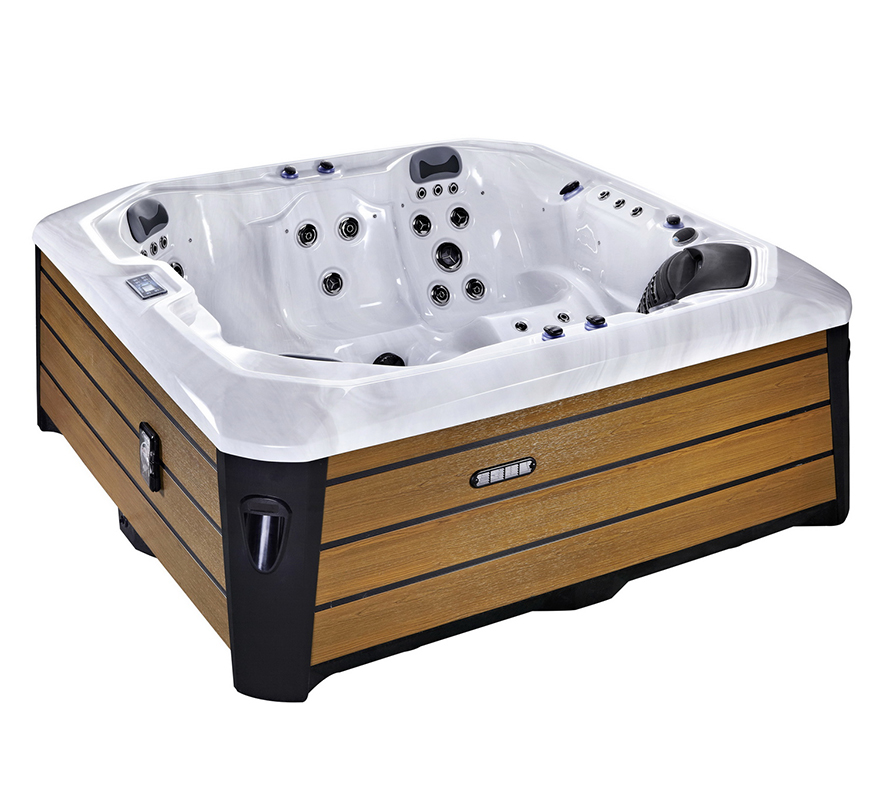
What you trade for that performance is upfront cost and some logistics. You likely need an electrician to run a new line, sometimes a permit, occasionally a crane for placement, and a sturdy base that stays level. A good spa installer handles this routine work, but it is work, not a Friday afternoon impulse.
Comfort, seating, and the human factor
Inflatables are essentially round pools with cushioned floors and soft walls. You sit cross-legged or on the floor bench. It’s more lounging than seating. People who like to recline and chat tend to find the setup sociable and simple. Taller users, or anyone with knee issues, may find the low seat line and lack of headrests fatiguing after twenty minutes.
Hard-shell tubs use molded seats at different heights. Some curve naturally to support the lumbar area; others include a lounger seat with jets along the calves and thighs. The seat variety matters in families where people range from 5′2″ to 6′3″. Everyone can find a spot that fits. Ergonomics is where you feel the “spa” in spa. Also, bathers are less likely to float around since water jets push through directed nozzles, not air, and the seats hold you in place.
This doesn’t make inflatables uncomfortable, just different. Think picnic versus dining room. Both are enjoyable, but they suit Swim and Spas different nights.
Heat, power, and your energy bill
Energy use hinges on several variables: ambient temperature, wind, insulation, bather load, and how often you open the cover. The headline difference is the power supply and the insulation strategy.
Inflatable tubs usually run a 110–120V heater around 1 to 1.5 kW. They often heat 1 to 2 degrees Fahrenheit per hour with the cover on. If you drain to ambient and start from cold, heating to 104°F can take a full day. Once at temperature, keeping it there in mild weather is manageable, but you pay in run time during cold snaps because the soft walls, while insulated to a degree, simply leak heat faster.
Hard-shell tubs typically use a 220–240V service with a 4 to 5.5 kW heater, plus variable-speed pumps. The heater recovers heat quickly while you are soaking, so water doesn’t chill when jets are running, and the insulation preserves heat between uses. Modern full-foam models in temperate climates often average under a dollar or two per day, sometimes less in shoulder seasons. In very cold regions, expect more, but the spread between hard-shell and inflatable usually widens in favor of hard-shell efficiency when temperatures dip and wind picks up.
The economics become clear if you plan to use the tub most days, year-round. If you only soak on weekends in summer, the inflatable can be frugal enough, especially if you lower the setpoint midweek.
Jets: bubbles versus pressure
Inflatable tubs produce bubbles by injecting air. It feels effervescent, like sitting in a glass of seltzer. Air movement is pleasant and sociable, but it is not hydrotherapy. The jets do not dig into knotty muscles, and because air cools the water as it churns, you’ll lose heat more quickly during active use.
Hard-shell models use water jets driven by one or more pumps. Each jet can be aimed and sometimes adjusted. You can run neck and shoulder jets aggressively while keeping the footwell gentler, or vice versa. On a cold evening, strong jets plus maintained temperature is precisely the combination that keeps you out there longer.
If your primary goal is muscular relief, hard-shell wins. If you want a warm soak with bubbly ambiance for conversation and a beer, an inflatable does the job at a fraction of the price.
Durability and repairs
Most inflatable hot tubs are made of layered PVC or drop-stitch materials. They resist punctures better than you might think, but they are not immortal. UV exposure, repeated folding and unfolding, and small abrasions eventually take a toll. Leaks are fixable if you catch them early. Heaters and control units are modular but not always easy to service, and replacement parts become scarce after a few product cycles. Expect 2 to 5 years of regular use if you treat the tub decently, possibly a bit more if you baby it and store it indoors over winter.
Hard-shell tubs last a decade or two with regular care. Pumps and heaters are serviceable, control boards can be replaced, and covers can be upgraded. The shell itself, if supported and kept chemically balanced, can outlive several sets of components. If something does fail, getting a technician is straightforward because the brands, parts, and procedures are standardized.
Maintenance, filters, and water chemistry
Water is water, which is to say it demands respect. Both types need sanitization, pH management, and filtration. Where they differ is in water volume, filter capacity, and how stable the system stays between uses.
Inflatables typically hold 175 to 250 gallons. Smaller volume means quicker changes in water chemistry. A sunny afternoon, a crowded soak, or a few days of neglect can swing pH or sanitizer levels more dramatically. Cartridge filters are small and clog quickly with lotions and oils. You will rinse or replace them often. This is manageable, but it asks for a routine.
Hard-shell tubs often run 300 to 500 gallons. The larger mass of water and more robust filtration keep things stable. Ozone or UV sanitation systems help reduce chlorine or bromine demand. You still need a weekly test and quick adjustments, but you are less likely to chase the numbers or wake up to cloudy water the morning after a party.
I advise all new owners to keep a simple log, even if it’s a note app: date, sanitizer reading, pH, any adjustments, and filter cleanings. It takes less time than you spend wondering what went wrong when the water turns dull.
Cold climates, windy decks, and seasonal use
A calm backyard in a mild climate is the easiest place to own any spa. Move the same setup to a breezy second-story deck in Minnesota, and the calculus shifts. Wind strips heat, and soft-wall tubs surrender it fastest. Hard-shell units, especially those with full-foam insulation and a tight-fitting cover, shrug off gusts.
If you plan to winterize, inflatables are simpler to drain, dry, and store. Just be thorough. Any water trapped in lines can expand and crack fittings during a freeze. A shop vacuum on both ends of the plumbing is cheap insurance. Hard-shell tubs can be winterized too, but most owners in cold areas leave them hot and ready, since the effort to restart a frozen spa is not something you want to learn at 7 a.m. in February.
Noise, neighbors, and backyard harmony
Inflatable units concentrate the pump, blower, and heater in an external housing. The noise is not jet-engine loud, but the pitch can be noticeable on a quiet night, especially on a wooden deck that transmits vibration. Hard-shell spas spread components and enclose them behind panels with insulation, so the sound is more muffled. Water jets themselves create a pleasant whoosh that masks pump noise.
If your fence line is close and your neighbor is a light sleeper, keep this in mind. Setting the tub on rubber isolators or a composite mat helps with either type.
Installation, placement, and what can go wrong
The simplest placement mistake is setting any spa on a surface that sags or slopes. Even a heavy inflatable will deform on a squishy lawn. The water line looks straight to the eye, but the tub’s structure feels the stress and fittings loosen over time.
A hard-shell unit demands a proper base: leveled concrete, pavers on a compacted base, or a reinforced deck. The weight is no joke. A filled six-seater can exceed 4,000 pounds. Get a permit if your municipality requires one, and involve a licensed electrician. I have seen more ruined spa packs from DIY miswiring than I care to count.
Inflatables still benefit from a solid flat base. A foam interlocking pad keeps grit from abrading the bottom, and a slight tilt away from the control housing helps any splash-out drain harmlessly.
Running costs beyond electricity
- Water and chemicals: Both types need sanitizer, pH management, and occasional shock. Expect a modest monthly budget, perhaps 10 to 30 dollars depending on use and whether your tub includes ozone or UV. Filters and covers: Inflatable cartridges clog sooner, so plan for replacements. Hard-shell filters last longer and cost more per unit. Covers eventually waterlog and need replacement every few years; higher-end covers last longer and seal better, saving energy. Repairs: Inflatables are cheaper to buy but often uneconomical to repair late in life. Hard-shell components cost more individually yet can be serviced piece by piece, spreading cost over time.
That is one list. We will keep it to two total.
Upfront price and what the market really offers
When you see hot tub for sale ads with bargain pricing, understand what is inside those numbers. Inflatables range roughly from 300 to 1,200 dollars. The sweet spot for reliability is often in the upper middle. A 300-dollar tub may get you through a summer. A 700 to 900-dollar model with a better heater and stronger material typically stretches to several seasons. Accessories matter too: a good insulated cover, ground mat, and spare filters improve your daily experience.
Hard-shell tubs start around 3,500 to 5,000 dollars for budget models, 6,000 to 9,000 for midrange, and 10,000 and up for premium brands with fancy lighting, high-end insulation, and elaborate jet arrays. Installation costs vary. A basic electrical run might be a few hundred dollars if the panel is close, or a few thousand if the run is long, conduit is required, and trenching is involved. Delivery is sometimes included, sometimes a “surprise” line item. Ask for a full quote that includes crane, pad, electrical, startup, and the first set of chemicals.
Longevity and resale value
Nobody buys a spa for resale value, but in practice, hard-shell tubs hold some value if kept clean and serviced. I have helped clients sell five-year-old midrange units for 35 to 50 percent of the original price, especially from reputable brands. Inflatables, by contrast, are more like camping gear. Once they are used a season, they are worth far less, and buyers are wary of pinholes they cannot spot in a driveway test.
If you view the purchase as an amenity that travels with you, inflatables make sense. If you view it as a semi-permanent feature that enhances a property, hard-shell wins.
Hidden comfort features you will miss if you don’t look for them
A few details seem minor on paper but loom large after a hundred soaks. Footwell depth is one. If your feet float, you constantly fight to stay seated. Hard-shell models with deeper footwells and subtle ledges let you anchor comfortably. Seat-to-waterline height is another. A good design keeps your shoulders warm without submerging your face. Efficient covers with double-walled foam and wind locks matter on breezy nights when steam wants to flee.
On inflatables, look for a real insulated cover rather than a simple lid. Some premium inflatables include a thin rigid insert that improves heat retention, and that’s worth paying for. Also check the control panel placement. If you have to stand up to adjust temperature or bubbles, you will do it less, which means you will settle for “good enough” more often than you should.
Safety, kids, and pets
All hot tubs demand respect for water depth and temperature. With inflatables, the soft wall invites pets and small kids to lean in. That means supervising at all times, plus keeping the cover latched. Hard-shell covers usually lock and resist a curious push better. If the tub sits on a raised deck, plan a gate. Also, water above 100°F is not for toddlers and not for long soaks. Most owners settle around 100 to 102°F for daily use, nudging warmer in winter.
Electrical safety is non-negotiable. An inflatable on a shared outdoor outlet with a long extension cord is a bad idea. Use a grounded, GFCI-protected circuit, as the manufacturer specifies. For hard-shell installations, hire the pro and sleep well.
What daily life looks like with either type
Imagine Tuesday night in November. With an inflatable, you pad out, hit the bubbles, and enjoy a quick 20-minute soak. You notice the water slipping from 104°F to 101°F by the end. Not a deal breaker, but you feel the chill on wet shoulders walking back. With a hard-shell, you sit in a molded seat, aim a jet into your calf, and the tub holds setpoint. When you close the cover, you hear the faint click of the heater topping off. Tomorrow morning, the temperature will be waiting.
Now imagine a July move. The inflatable deflates into the trunk after a rinse and dry. The hard-shell stays with the house or needs movers and a plan. Which scenario sounds like your next two years? That answer points you in the right direction more reliably than any spec sheet.
Two quick buyer checklists
Pre-purchase questions for an inflatable:
- Where will it sit, and is the surface flat, rigid, and close to a GFCI outlet? Will winter soaking matter, or is this a three-season treat? Do I have storage space to keep it dry and safe in the off-season? Am I willing to rinse or swap filters frequently and test water twice a week? Do I want a model with an insulated cover and a timer to manage heat?
Pre-purchase questions for a hard-shell:
- Is there a plan and budget for a 220–240V line with a dedicated breaker? Can the delivery path handle the size, or do I need a crane? How many seats do I truly need, and do they fit bodies of different heights? What insulation level and cover quality come standard, and what is the warranty on the shell and components? Who services this brand locally, and how quickly can they source parts?
That is the second and final list.
Buying used: opportunity and caution
A used inflatable is usually a stopgap, valuable only if you can pick it up locally, test it inflated and hot, and pay a price that makes sense even if it fails in a season. Check the seams, listen to the pump and heater, and look for a cover that still seals.
Used hard-shell tubs can be a bargain, but they punish carelessness. Insist on seeing the unit running at temperature. Open the equipment bay and check for corrosion or scorched connectors. Feel for soft spots in the floor and look for cabinet rot. If the seller drained it weeks ago and refuses to fill it, walk away. A professional inspection costs less than a circuit board and reveals shortcuts like miswired pumps or cracked manifolds.
Warranty, support, and brand ecosystems
A warranty is more than a number; it is backed by a local dealer or it is not. Big-box inflatables ship quickly and replace quickly if something fails in the first weeks. After that, the path gets hazy. Some premium inflatable brands do better and publish parts lists and phone support that feel professional.
Hard-shell brands live and die by their dealer networks. The best dealers set up the tub, balance the water, show you how to test it, and come back if something squeaks. They stock filters and covers and pick up the phone when a GFCI trips on a Saturday. A middling unit with excellent dealer support is often a better buy than the fanciest tub sold by a ghost.
Environmental footprint and water use
Hot tubs are not saints of sustainability, but you can be thoughtful. A well-insulated hard-shell tub with a tight cover uses less electricity per soak than a soft-wall tub that bleeds heat. On the other hand, an inflatable that you run seasonally and store in winter may consume less energy annually than a hard-shell you keep hot 365 days, depending on your habits. Water changes are comparable in per-visit consumption, but larger hard-shells mean more gallons per drain. You can stretch change intervals by keeping water balanced and showering before a soak. It is not glamorous advice, yet it works.
So which tub deserves your backyard?
If you crave hydrotherapy with real pressure, plan to soak often through winter, and want a durable fixture that adds structure to your outdoor space, a hard-shell spa is worth the higher upfront cost. It is a machine built to do this one thing very well, for a long time, with predictable maintenance and parts. Budget for a proper install and enjoy the reliability.
If you want a social soak, occasional heat on sore days, minimal commitment, and the ability to roll the spa into a garage at season’s end, an inflatable makes honest sense. The best of them offer a surprisingly polished experience at a gentle price. Be realistic about cold-weather performance and plan for frequent filter attention.
The phrase hot tub for sale is the beginning of a story, not the end. Picture the Tuesday nights, the holiday weekends, the shoulder-season sunsets. Imagine who will be in the water, how long you want to stay there, and what you want your body to feel like when you step out. That picture will point you to the right tub. The rest is a hose, a test strip, and the small habit of closing the cover with care.